
Shantanav Mukherjee
Creator: soundcreatesBack to Portfolio
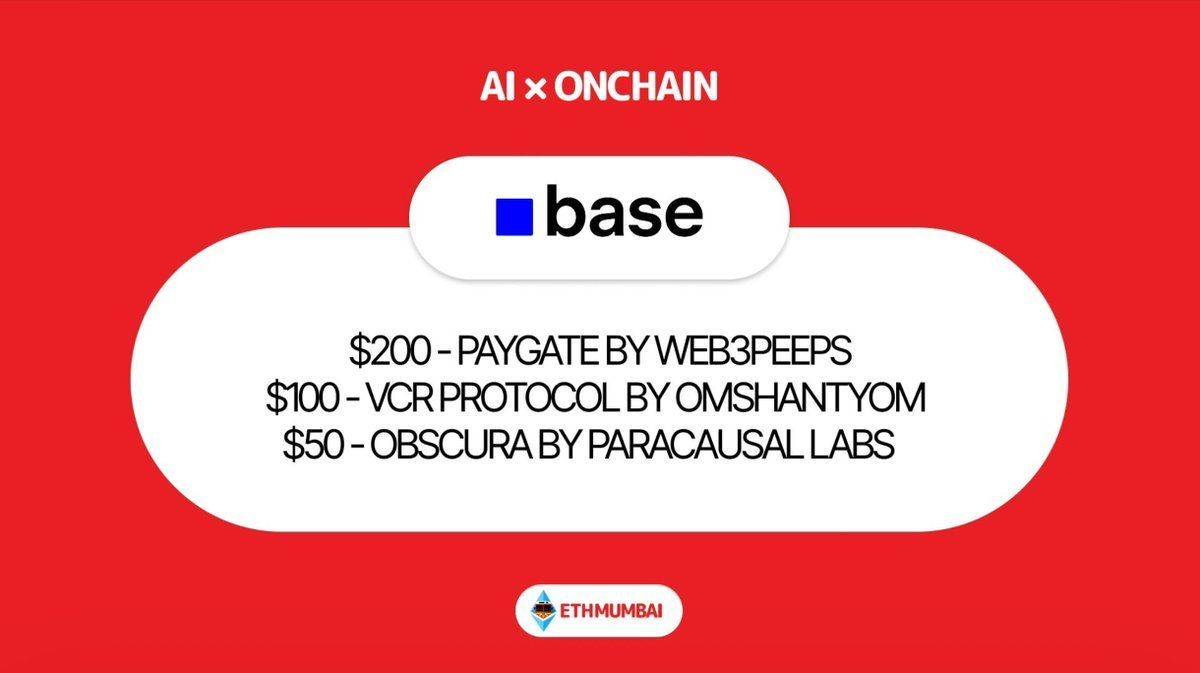
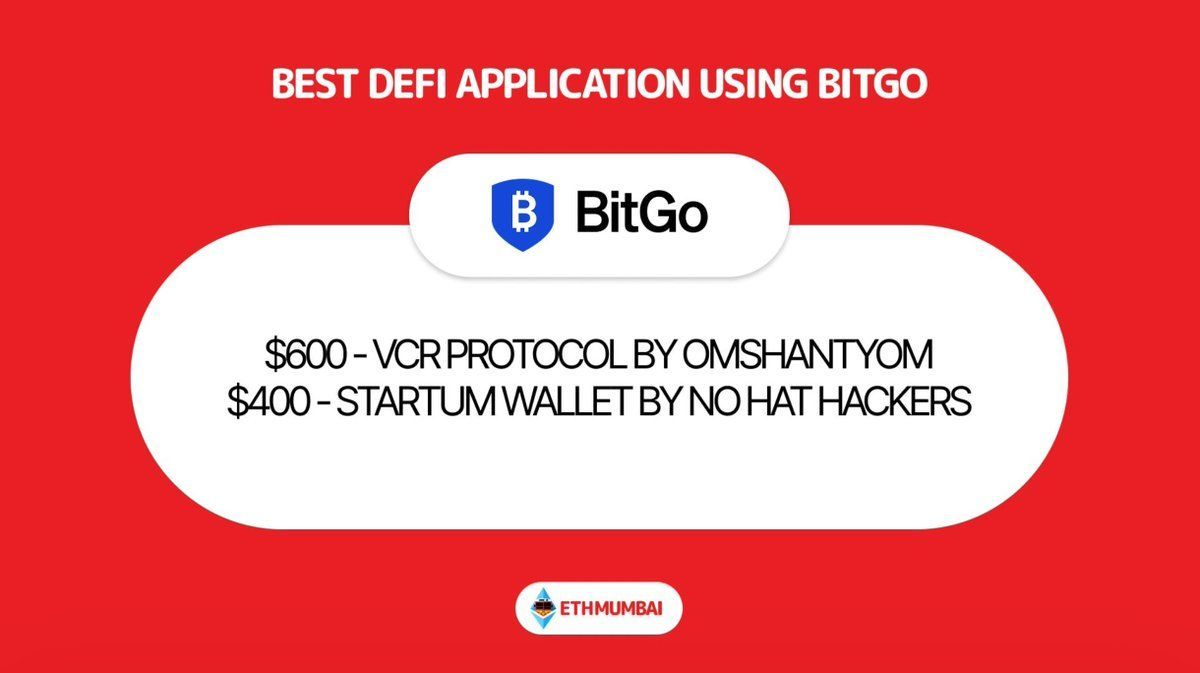
RecognitionWon ETHMumbai 2026, across two tracks, BitGo And Base
VCR Protocol
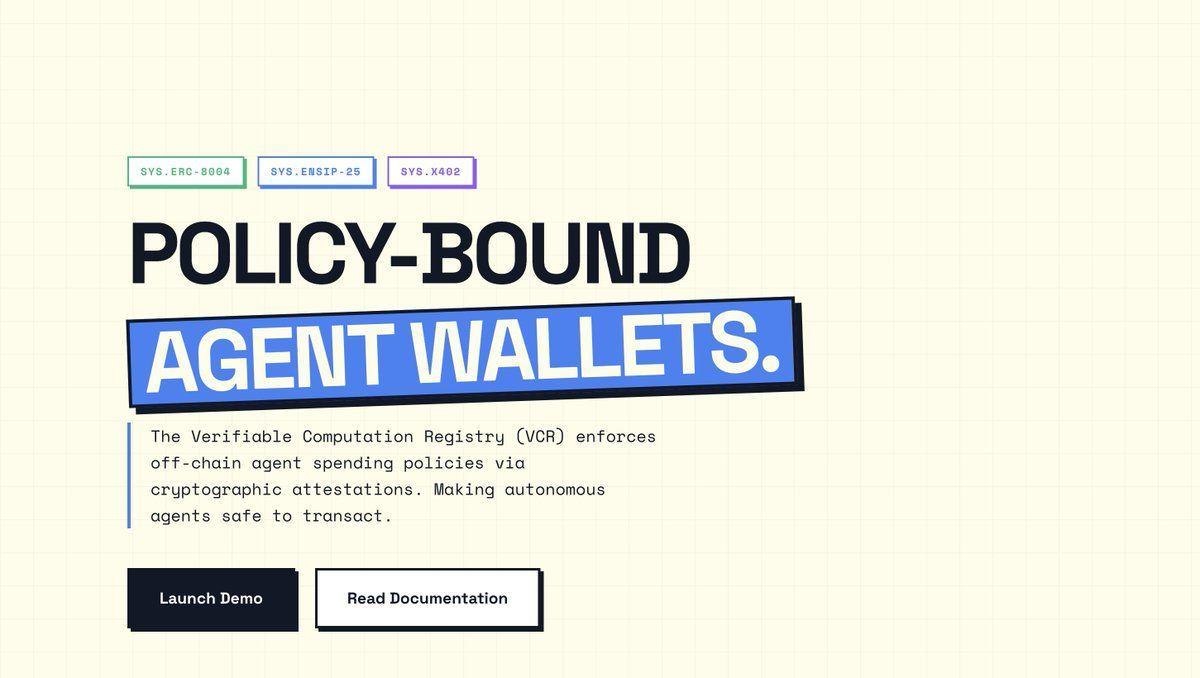
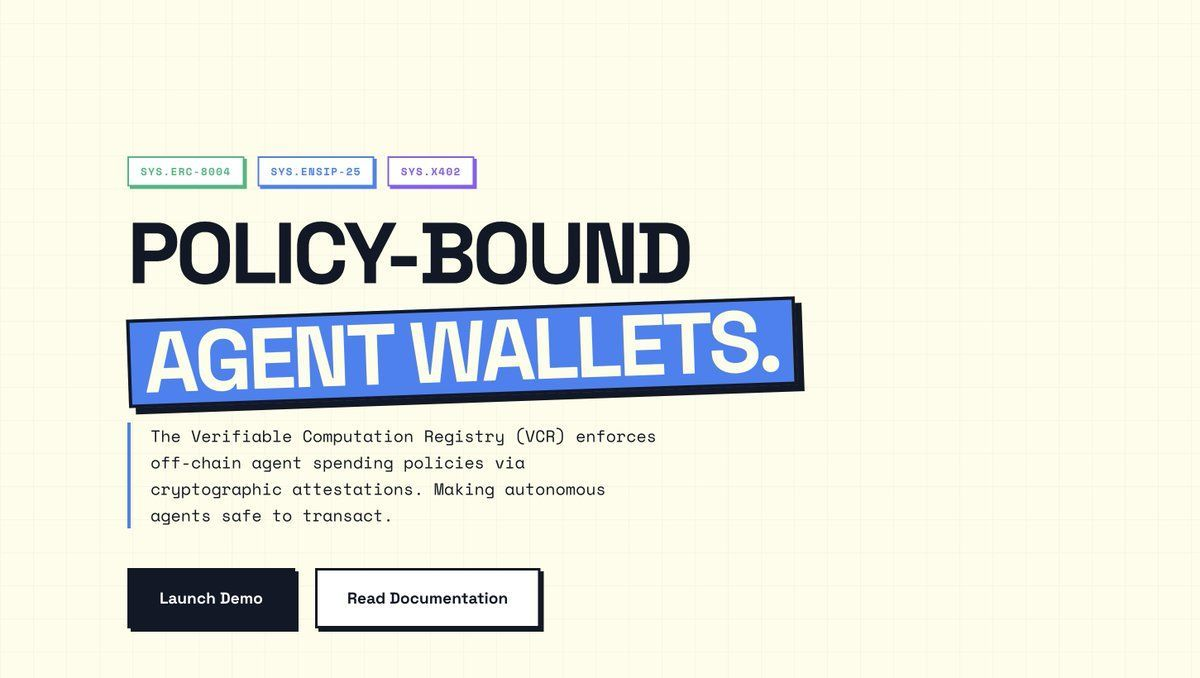
VCR constrains how autonomous agents can spend funds. ERC-8004 gives agents on-chain identity, x402 gives them HTTP-native payment rails — VCR fills the gap with verifiable spending policies.
TypeScriptSolidity
The Development
As AI agents begin to hold and spend funds independently, a key problem emerges: there is no standard way to define and enforce what they are allowed to do with those funds.
Existing pieces solve parts of the stack:
• ERC-8004 provides agent identity
• x402 enables HTTP-native payment flows
But there is no mechanism to constrain agent spending behavior.
VCR Protocol addresses this by introducing verifiable spending policies for AI agents, including:
• Per-transaction limits
• Daily spending caps
• Whitelisted recipients
• Allowed tokens
• Time-based constraints
These policies are stored on IPFS, linked via ENS text records, and made publicly verifiable. Any third-party service can validate an agent’s policy before accepting a transaction, without relying on trust. The policy is on-chain and tamper-evident.
Key integrations:
• ERC-8004 and ENSIP-25 for identity and policy discovery
• BitGo MPC wallets for secure enforcement
• Fileverse and IPFS for decentralized storage
• x402 for autonomous payment flows
• Base as the settlement layer
We built this under tight constraints, working with live testnets, evolving SDKs, and designing systems that had to hold under immutable policy conditions.
Gallery